
Treating Every Patient as a Whole Person
At the Jack & Sheryl Morris Cancer Center, we believe exceptional cancer care means treating every patient as a whole person — not just a diagnosis. Our Gastrointestinal Cancer team brings together nationally recognized experts in surgery, oncology, gastroenterology, and supportive care to deliver advanced, compassionate, and personalized treatment. Whether you are newly diagnosed or seeking a second opinion, our goal is to provide clarity, confidence, and hope through every step of your journey.
What is Stomach Cancer?
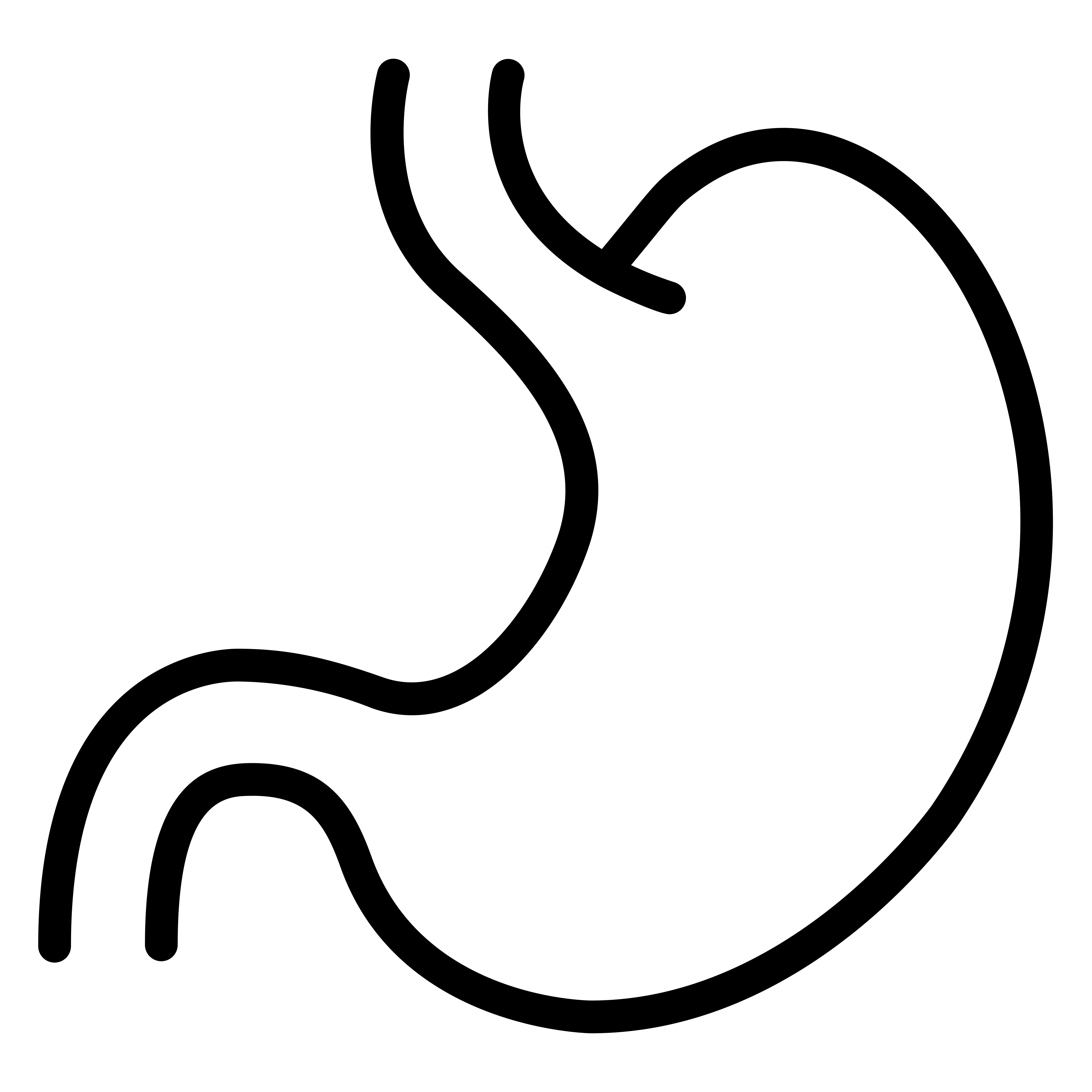
Stomach cancer, also called gastric cancer, begins when cells in the lining of the stomach grow and multiply in an uncontrolled way. Most stomach cancers develop slowly over many years, often starting with small changes such as inflammation, atrophic gastritis, or intestinal metaplasia (abnormal cell changes).
The most common type is adenocarcinoma, which accounts for about 90–95% of stomach cancers. Less common types include lymphomas, gastrointestinal stromal tumors (GISTs), and neuroendocrine tumors.
Because early stomach cancer may cause few or no symptoms, it is often found at a later stage — which is why our team places such emphasis on early detection and prevention for people at increased risk.
Symptoms of Stomach Cancer
Symptoms of stomach cancer can vary, and many overlap with common digestive conditions. If symptoms persist or worsen, it’s important to speak with your doctor.
Common signs include:
- Ongoing indigestion or heartburn
- Feeling full after eating small amounts of food
- Unexplained weight loss
- Loss of appetite
- Nausea or vomiting
- Stomach pain or discomfort
- Fatigue or weakness
- Black or tarry stools (a sign of bleeding)
Having one or more of these symptoms does not always mean you have cancer — but they do warrant evaluation by a medical professional, especially if they don’t resolve over time.
How is Stomach Cancer Diagnosed?
Diagnosis begins with a thorough evaluation, including a review of your symptoms, medical history, and risk profile. Tests may include:
- Upper endoscopy (EGD): A thin, flexible tube with a camera allows your doctor to view the inside of your stomach and take small tissue samples (biopsies).
- Imaging tests: CT scans, PET scans, or endoscopic ultrasound may help determine the extent (stage) of disease.
- Pathology review: Expert pathologists analyze biopsy samples to determine the cancer’s type and features.
- Molecular testing: Advanced tests identify genetic and molecular markers that can guide targeted or immunotherapy treatments.
At the Jack & Sheryl Morris Cancer Center, all pathology and imaging are reviewed by subspecialists in gastrointestinal cancers, ensuring that your diagnosis is accurate and comprehensive.
Available Treatment Options for Stomach Cancer
At the Gastrointestinal Oncology Program at the Jack & Sheryl Morris Cancer Center, every treatment plan is personalized and guided by a team of experts who work together to deliver leading-edge, compassionate care. Our approach combines precision, innovation, and humanity — ensuring each patient receives the most effective therapy with the least disruption to quality of life.
Gastrointestinal Surgery and Advanced Procedures
Our surgical oncologists specialize in minimally invasive and robotic gastrectomy, offering faster recovery, less pain, and improved long-term function. When appropriate, we perform organ-sparing and endoscopic resections for early-stage cancers to preserve normal digestion. Each operation is planned collaboratively with nutrition, anesthesia, and recovery specialists through our enhanced recovery pathways, which support patients before and after surgery.
Systemic and Precision Therapies
Our medical oncologists tailor treatment using the latest targeted and immunotherapy agents, designed to exploit specific tumor features such as HER2, PD-L1, or CLDN18.2. These cutting-edge therapies — often combined with chemotherapy — are changing outcomes for patients with both localized and advanced gastric cancers. As part of an NCI-designated Comprehensive Cancer Center, our patients also have access to clinical trials exploring next-generation immunotherapy, molecular diagnostics, and precision-based drug development.
Radiation and Chemoradiation
For select patients, chemoradiation may be used to shrink tumors before surgery or treat disease that cannot be removed surgically. Our radiation oncology team uses advanced technologies such as intensity-modulated radiation therapy (IMRT) and image-guided radiation therapy (IGRT) to deliver radiation exactly where it’s needed, protecting nearby organs like the heart and lungs. In select cases, proton therapy may be an option. Our radiation oncology experts will help determine whether it offers meaningful benefit compared with standard photon therapy.
Clinical Trials and Research
As a leader in cancer research, the Jack & Sheryl Morris Cancer Center provides patients with access to innovative clinical trials exploring new treatments for stomach cancers. Our investigators are studying novel combinations of chemotherapy, targeted agents, immunotherapies, and minimally invasive surgical techniques designed to improve survival and quality of life. Participating in a clinical trial may offer access to tomorrow’s breakthroughs today — while helping advance discoveries that benefit future patients.
You can explore currently available studies and search by diagnosis, treatment type, or keyword using our Clinical Trials Search Portal.
For personalized assistance, contact our research team to connect with a coordinator who can help identify trials that may be right for you.
Additional Treatments
- Support for patients living with cancer through the Survivorship Program
Meet Our Team
Your care is delivered by a dedicated, multidisciplinary group of specialists who focus exclusively on stomach and esophageal cancers. Learn more about the surgeons, oncologists, gastroenterologists, nurses, and supportive care professionals who will be with you every step of the way.
Surgical Oncologists
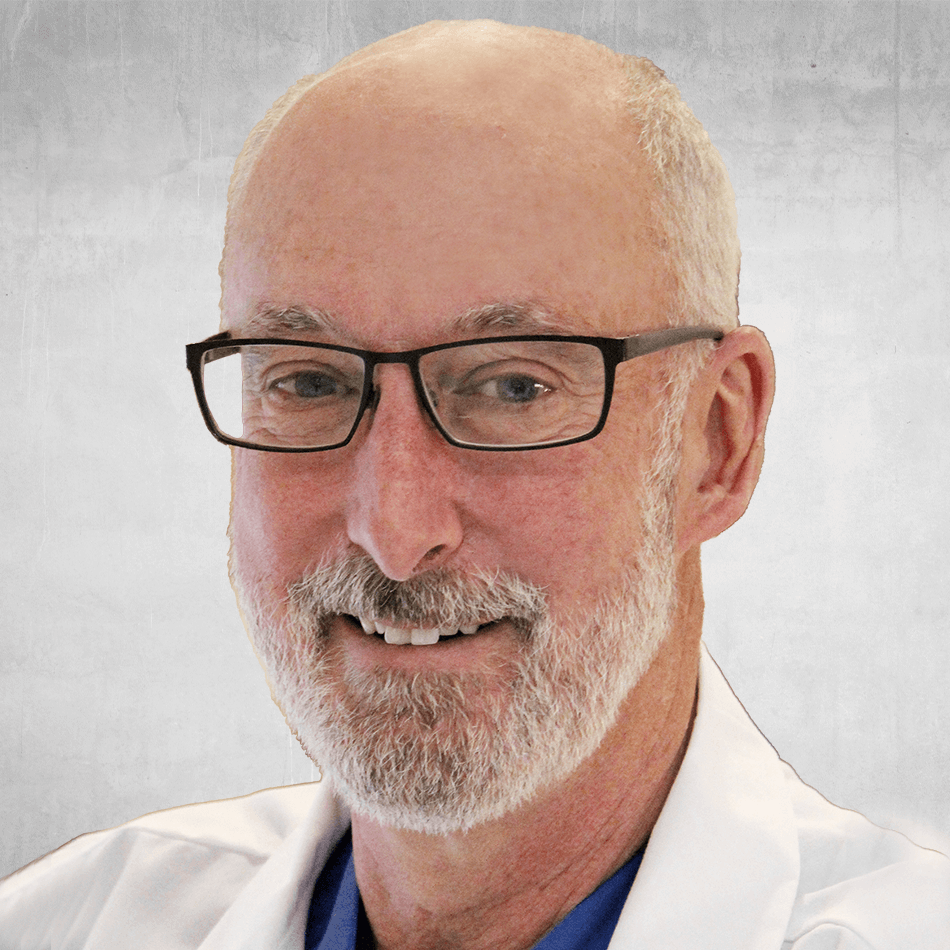
H. Richard Alexander, Jr., MD, FACS
Chief Surgical Officer,
Chief, Surgical Oncology, Rutgers Cancer Institute;
System Director of Surgical Oncology, RWJBarnabas Health;
Surgeon-in-Chief of the Jack & Sheryl Morris Cancer Center
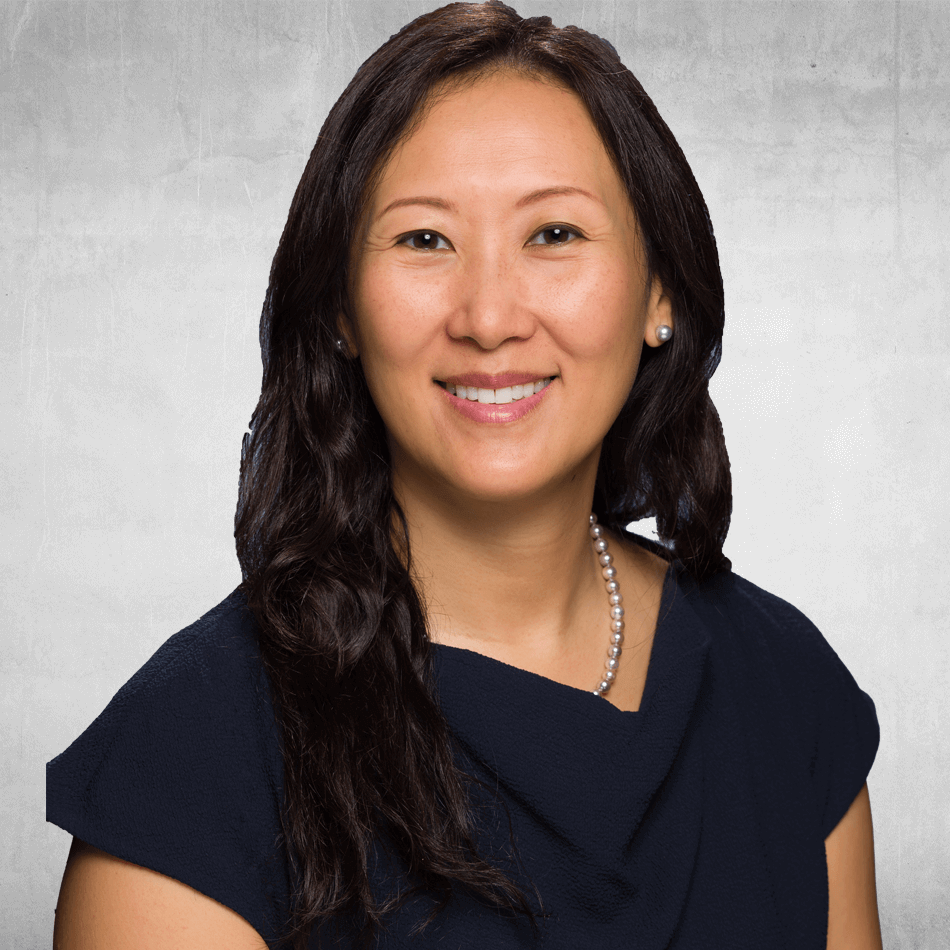
Haejin In, MD, MPH, MBA, FACS, FSSO
Chief Strategic Excellence and Engagement Officer
Associate Director of Strategic Excellence and Engagement
Surgical Oncologist
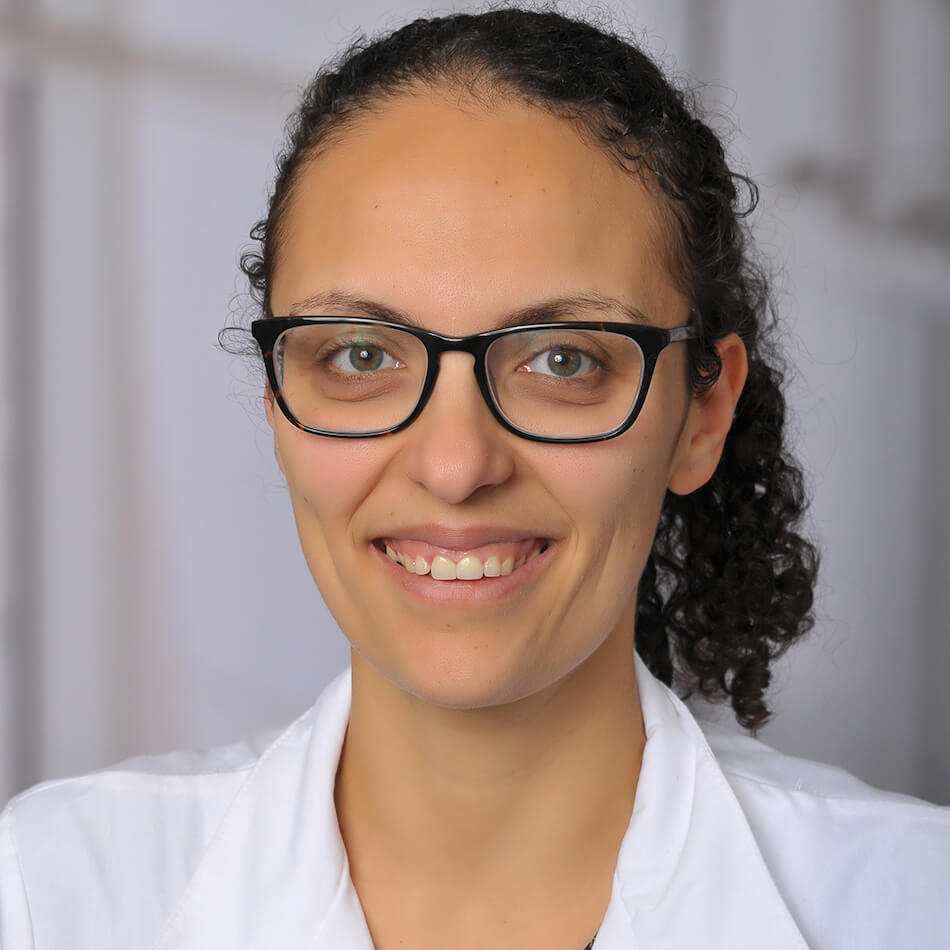
Mariam Eskander, MD, MPH
Surgical Oncologist
Assistant Professor in the Department of Surgery, Rutgers Robert Wood Johnson Medical School
Medical Oncologists
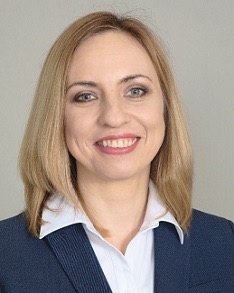
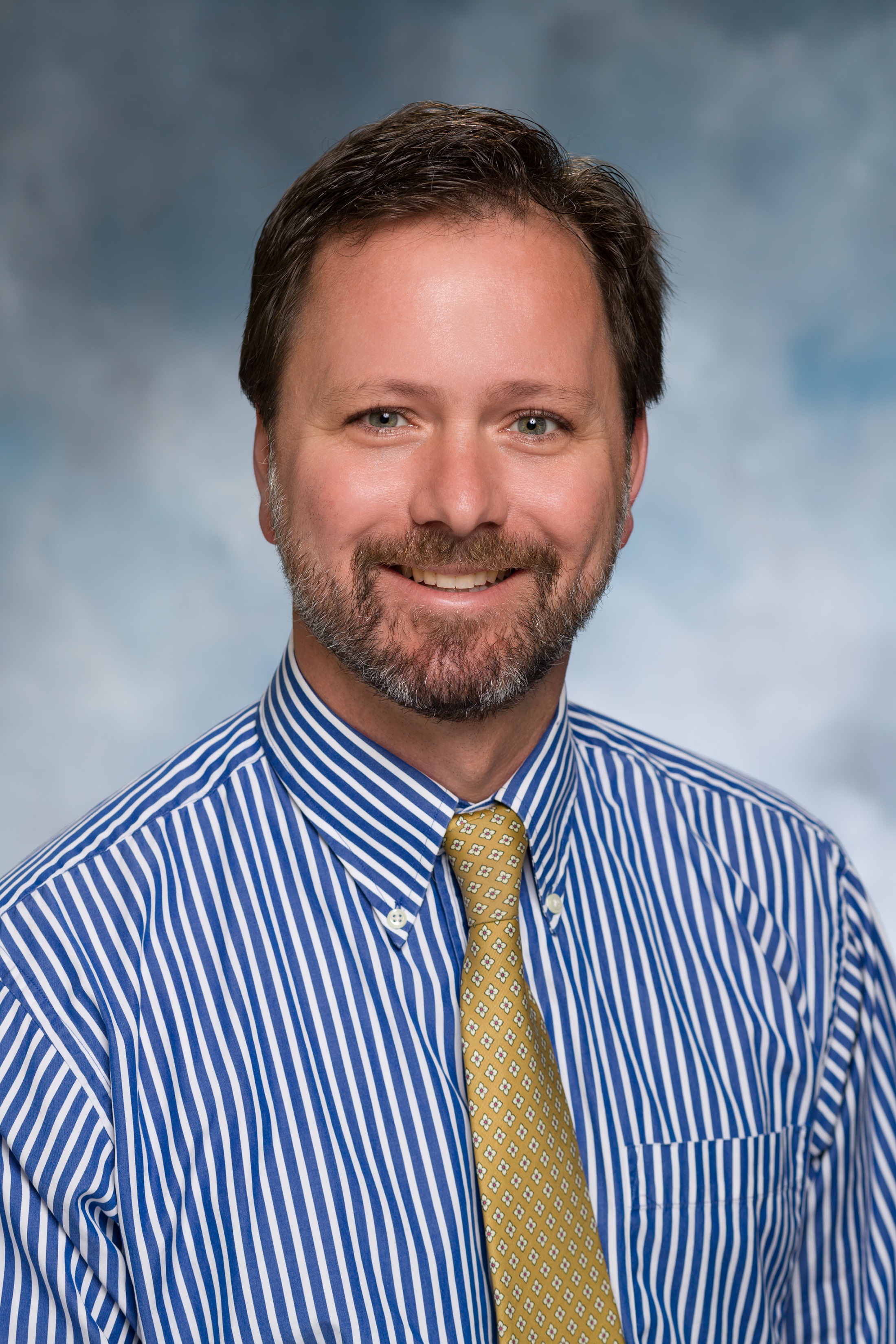
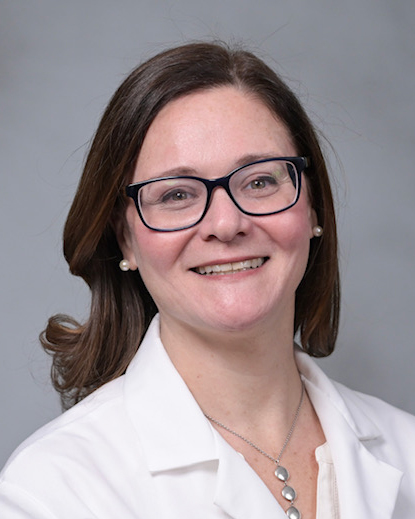
Stacey Stein, MD
Medical Oncologist
Medical Oncology Director for Hepatobiliary Cancer, RWJBarnabas Health
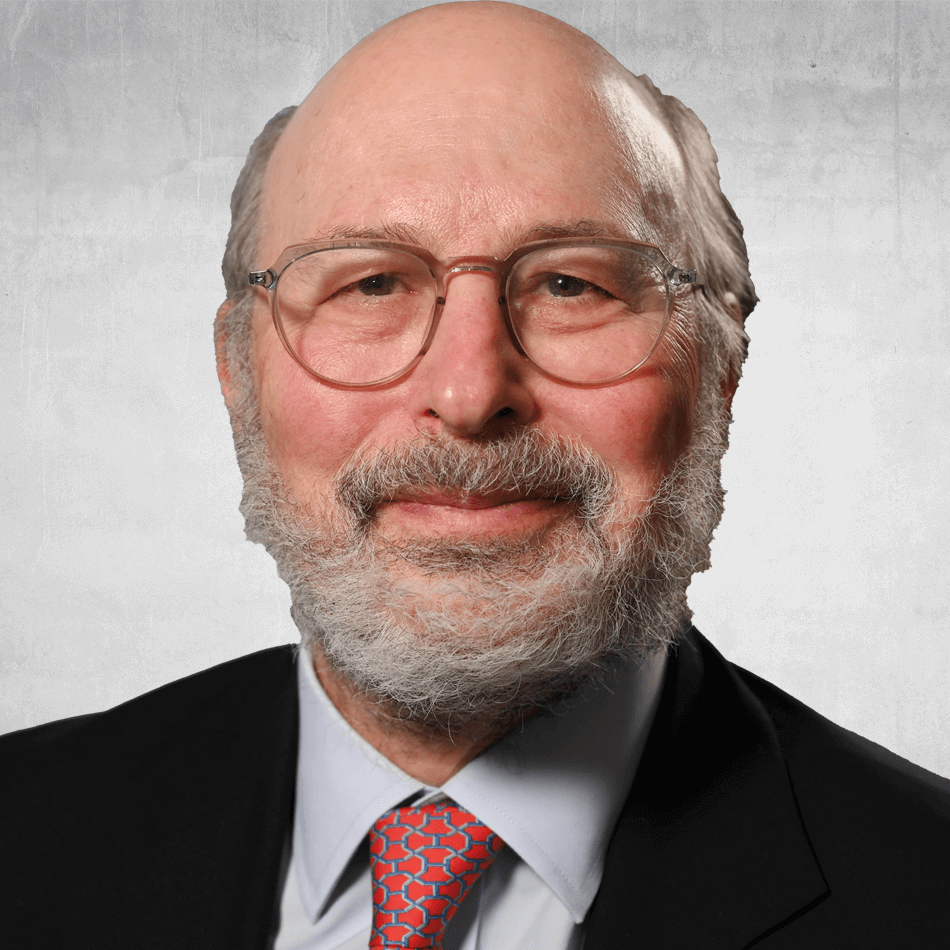
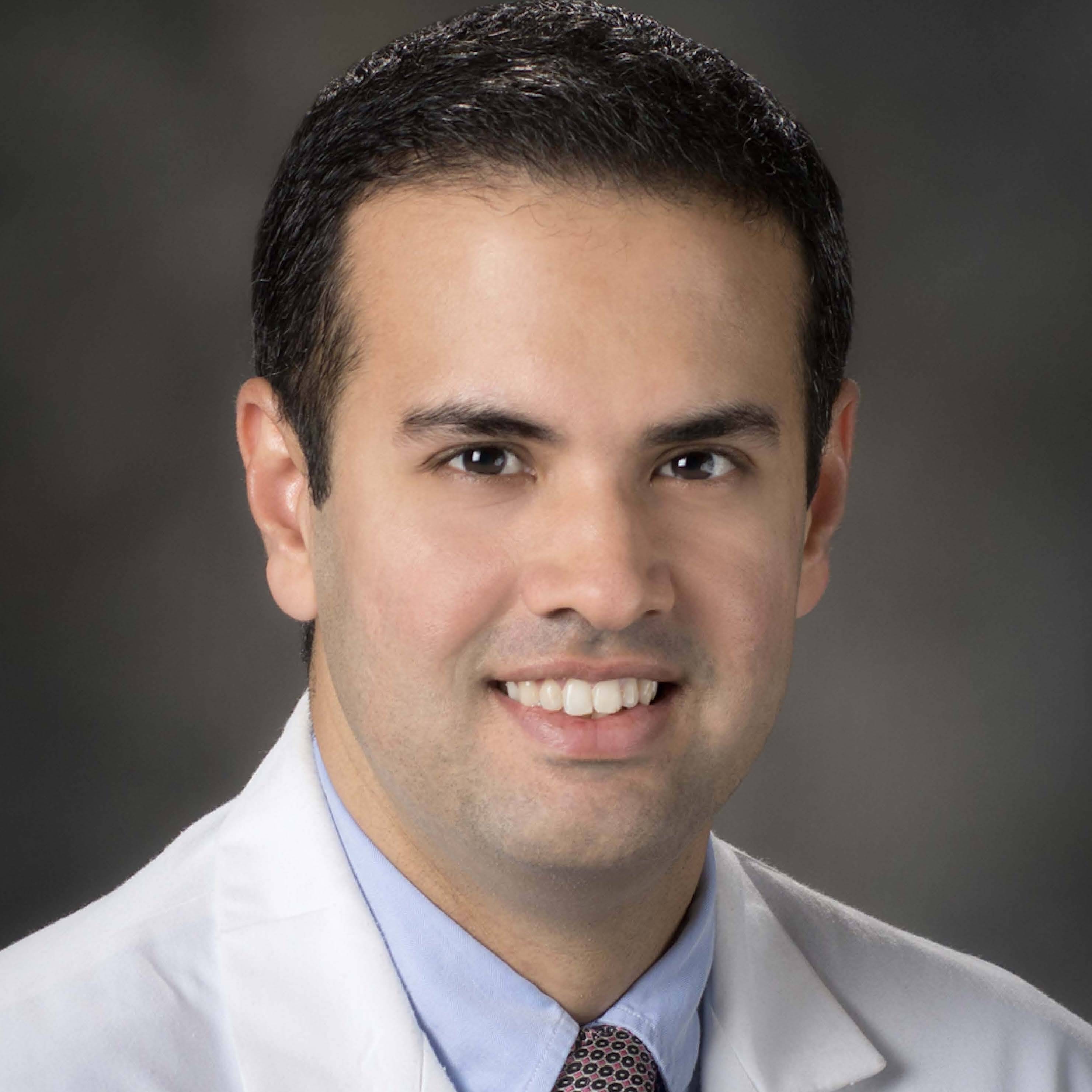
Prateek Gulhati, MD, PhD
Associate Director for Clinical Research and Director, GI Oncology, Rutgers Cancer Institute
Director of Oncology Research, RWJBarnabas Health
Radiation Oncologists
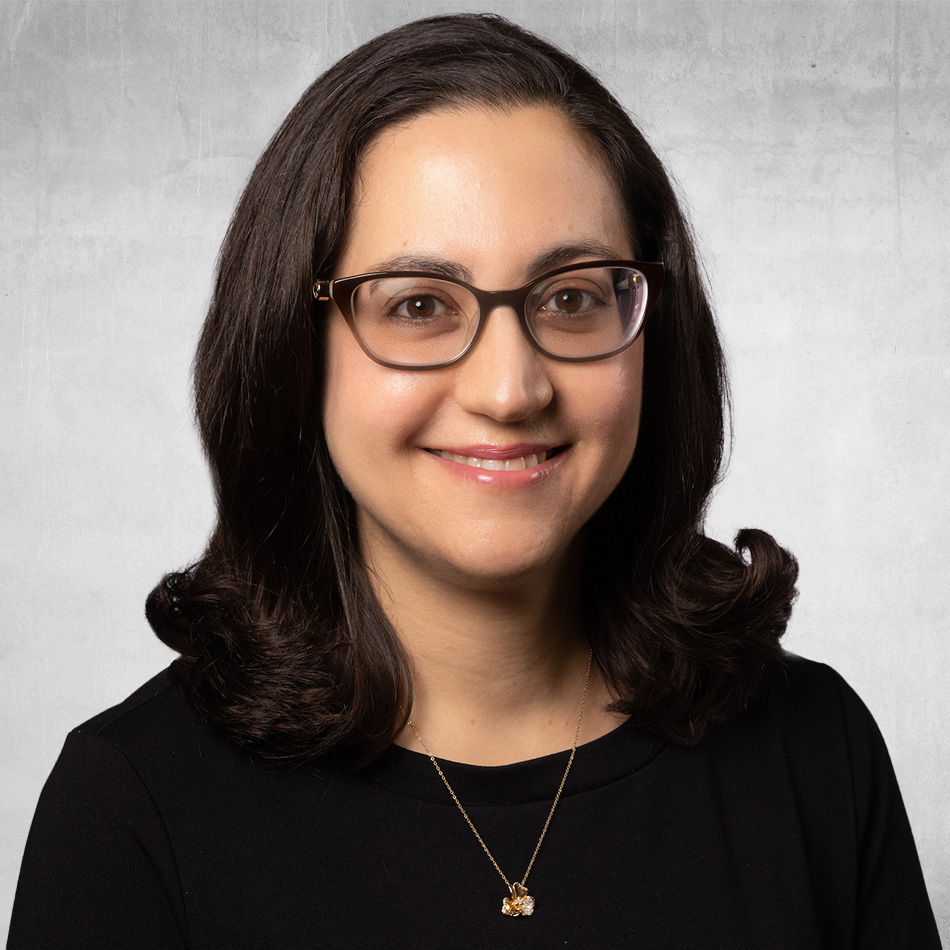
Salma Jabbour, MD
Radiation Oncologist
Clinical Chief, Radiation Oncology at RWJUH & Rutgers Cancer Institute
Associate Director for Faculty Affairs and Development
Vice Chair of Clinical Research & Faculty Development
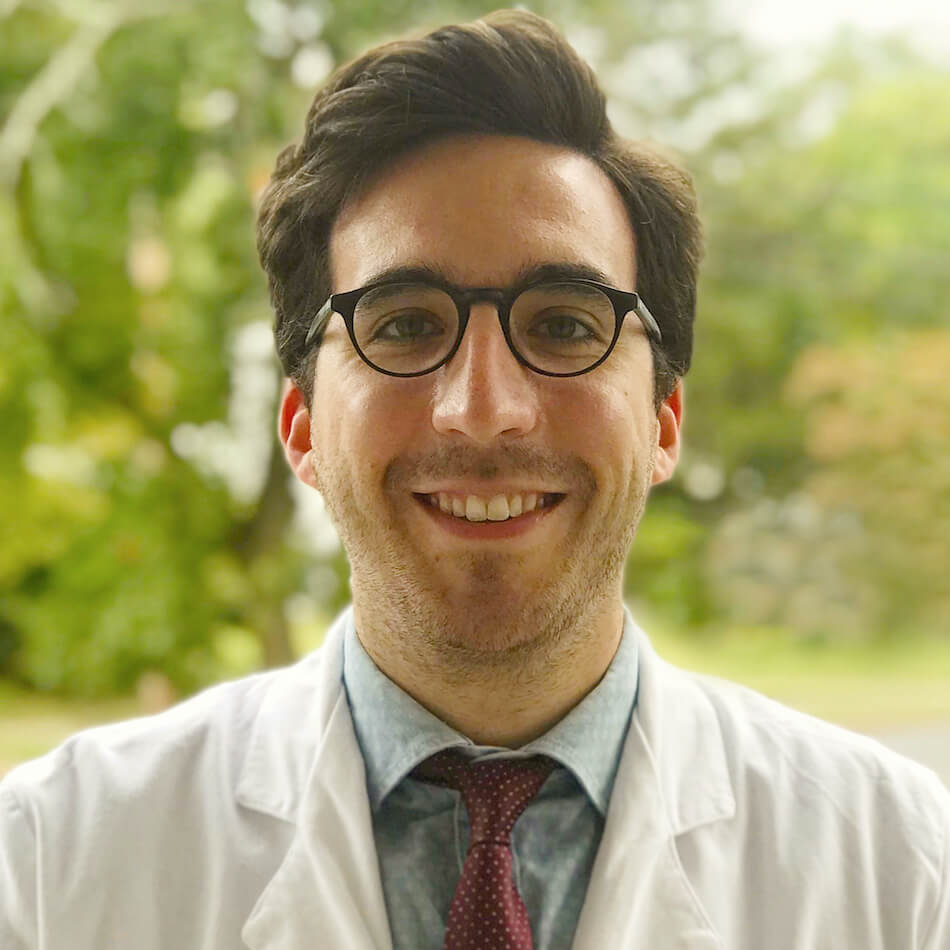
Matthew Pierre Deek, MD
Radiation Oncologist
Assistant Professor, Division of Clinical Radiation Oncology
Thoracic Surgeons
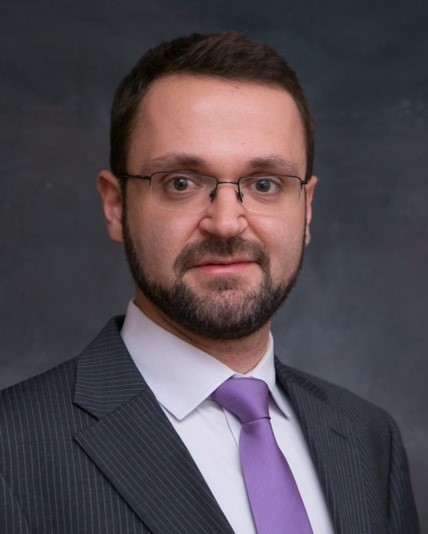
Ioannis Kontopidis, MD
Thoracic Surgeon
Assistant Professor of Surgery, Rutgers Robert Wood Johnson Medical School
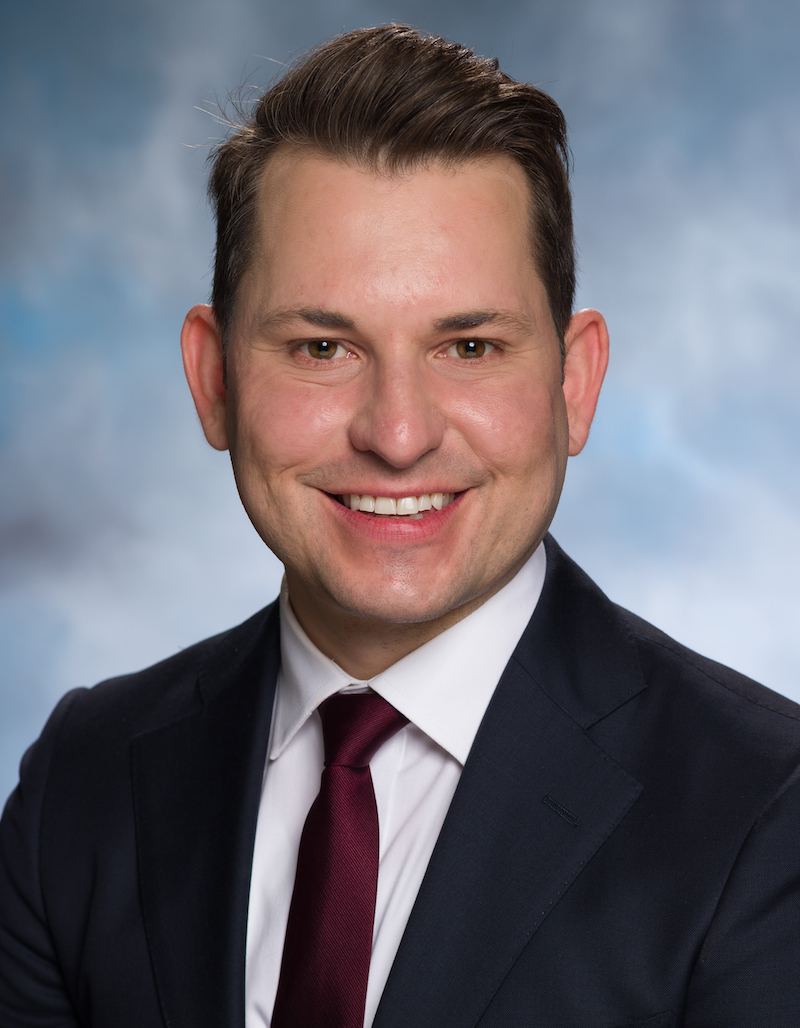
Advanced Gastroenterology
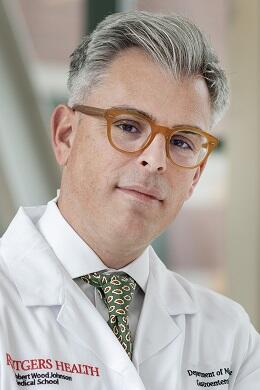
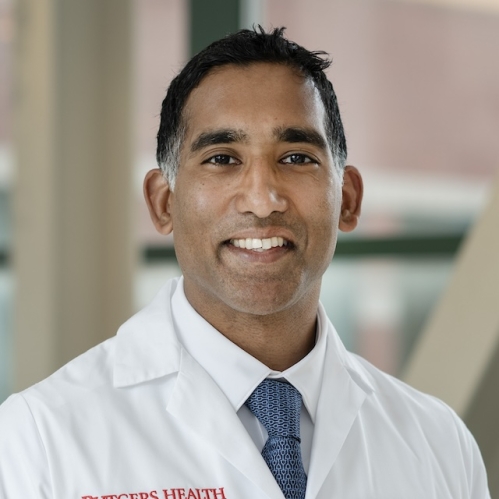
Radiology (Gastrointestinal Cancer Specialists)
Our Multidisciplinary, Patient-Centered Approach
Every patient we see benefits from the collective expertise of a multidisciplinary care team dedicated to delivering coordinated, individualized, and compassionate care. From the moment you arrive, your case is reviewed by surgical oncologists, medical and radiation oncologists, gastroenterologists, pathologists, radiologists, dietitians, and supportive care specialists. Together, they develop a treatment plan tailored specifically to your diagnosis, health goals, and personal needs. This collaborative model ensures you receive the most advanced, evidence-based care available — combining the strengths of every specialty under one roof. Your team meets regularly to review progress, adjust plans, and ensure that each decision reflects the latest research and your evolving goals.
What sets our program apart:
- Expertise and Experience: Nationally recognized leaders in gastric and esophageal cancer care, skilled in complex and minimally invasive procedures.
- Innovation in Care: As part of an NCI-designated Comprehensive Cancer Center, we offer access to cutting-edge clinical trials and translational research that bring new therapies directly to patients.
- Seamless Coordination: Dedicated nurse navigators guide you through scheduling, testing, and consultations — so you can focus on healing, not logistics.
- Whole-Person Support: Our team provides nutrition counseling, rehabilitation, psychological support, and survivorship services to help you live fully during and after treatment.
At the Morris Cancer Center, our mission goes beyond curing disease — it’s about restoring health, dignity, and hope. Every member of your care team is here not only to treat your cancer, but to walk with you through every phase of your journey.
Additional Resources
Related Articles and Press
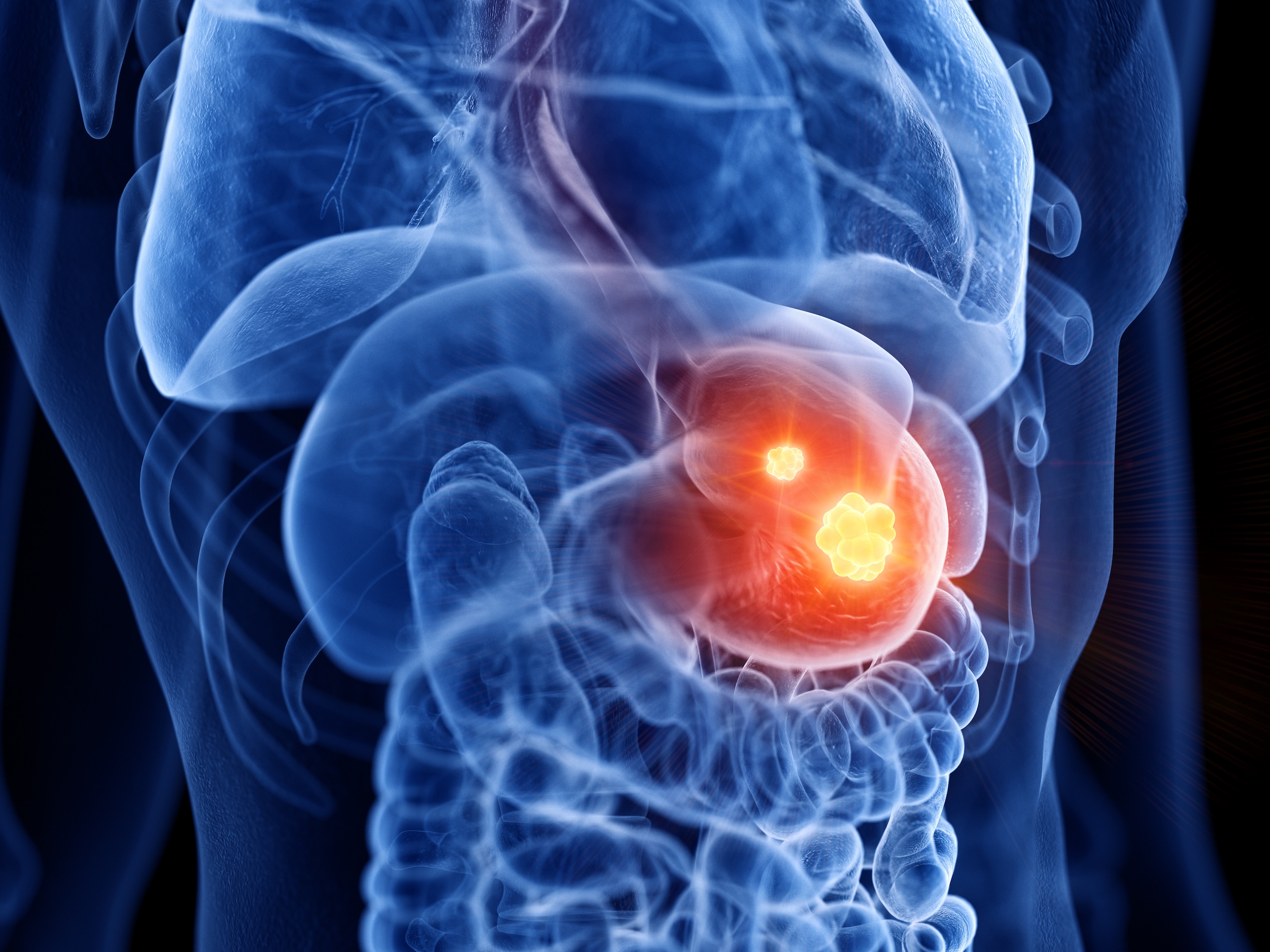
Study Results: Exploring Gastric Cancer Risk Through Oral Microbiomes
A new study has found that the bacteria in our mouths might offer valuable insights for early detection of gastric cancer. Lead author of the study, Haejin In, MD, MPH, MBA, FACS, FSSO, along Brijesh Rana, BDS, MS, share more about the findings published recently in Gastrointestinal Surgery.
Stomach Cancer is disproportionately impacting the Hispanic-American Community
Explore the facts, the risks, and the barriers to care surrounding stomach cancer in the Hispanic-American community.