Immunotherapy uses a patient’s own immune system to attack cancer cells. In a healthy body, the immune system fights off infection and other diseases because it is able to differentiate healthy cells from harmful substances and abnormal cells. However cancer cells are often invisible to the immune system, which means that the body cannot detect the disease in order to fight it.
Immunotherapy development and design has been an important focus of ongoing research at Rutgers Cancer Institute and at cancer centers across the nation. More and more therapies are becoming available to cancer patients to help their immune system fight the disease.
Types of Immunotherapy Treatments
Immune checkpoint inhibitors block immune checkpoints. Checkpoints are a normal part of the immune system that keep immune responses from being too strong and possibly destroying healthy cells in the body. Blocking checkpoints with inhibitors allows the immune system to respond more strongly to cancer cells.
Engineered T cell therapy boosts the natural ability of T cells to fight cancer. T cells are taken from the patient’s blood and modified in a laboratory. The modified cells are returned to the patient, where they multiply and attack cancer cells. Learn more about CAR-T cell therapy.
Monoclonal antibodies are immune system proteins created in a laboratory to bind to specific targets on cancer cells. Targeting the cancer cell allows the immune system to “see” the cancer as harmful to the body and attack the abnormal cells.
Treatment vaccines are designed to stimulate the body’s immune system to produce antibodies against specific antigens on a cancer cell. Treatment vaccines do not prevent cancer like other vaccines prevent disease; they are given to people who already have cancer to help their immune system have a better response.
Immune system modulators stimulate or suppress the immune system to help the body fight cancer. Some immune system modulators (such as monoclonal antibodies and cancer vaccines) affect specific parts of the immune system, however nonspecific modulators that affect the immune system in a general way can also be used to attack cancer cells.
Ongoing Research in Immunotherapy
Researchers at Rutgers Cancer Institute and at other cancer centers and organizations continue to study ways to improve the immune system’s response to cancer. Follow the links below to learn more about research efforts in immunotherapy.
Find active immunotherapy clinical trials at Rutgers Cancer Institute.
Related News
When your own cells become the treatment: One-time therapy. More than ten years cancer free.
Dr. Christian Hinrichs highlights the journey of discovering life-saving cellular therapies. With one infusion, patients experience complete tumor regression for years to come.
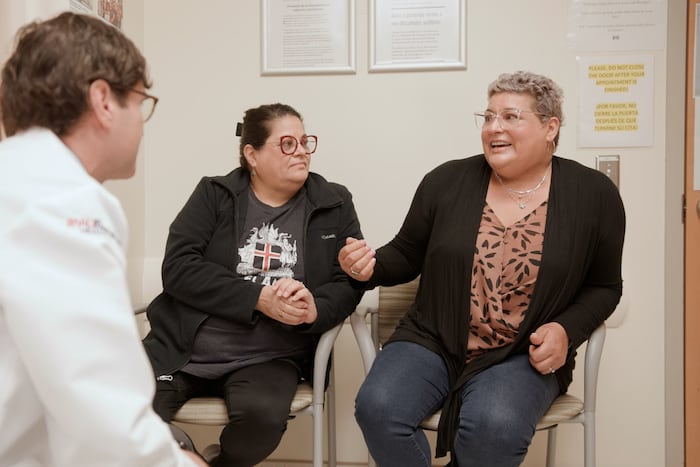
After a Philadelphia Cancer Patient Ran Out of Options, a Novel T-Cell Therapy at Rutgers Kept Her Alive
The Philadelphia Inquirer highlights groundbreaking immunotherapy research and treatment led by Dr. Christian Hinrichs, showcasing innovative approaches that harness the body’s immune system to target and fight cancer.
Clinical Insights on Long-Term Complete Responses Using T-Cell Therapies in Epithelial Cancers: Dr. Christian Hinrichs
Dr. Christian Hinrichs shares key research and clinical insights from two HPV‑related studies that demonstrate the transformative potential of emerging T‑cell therapies.
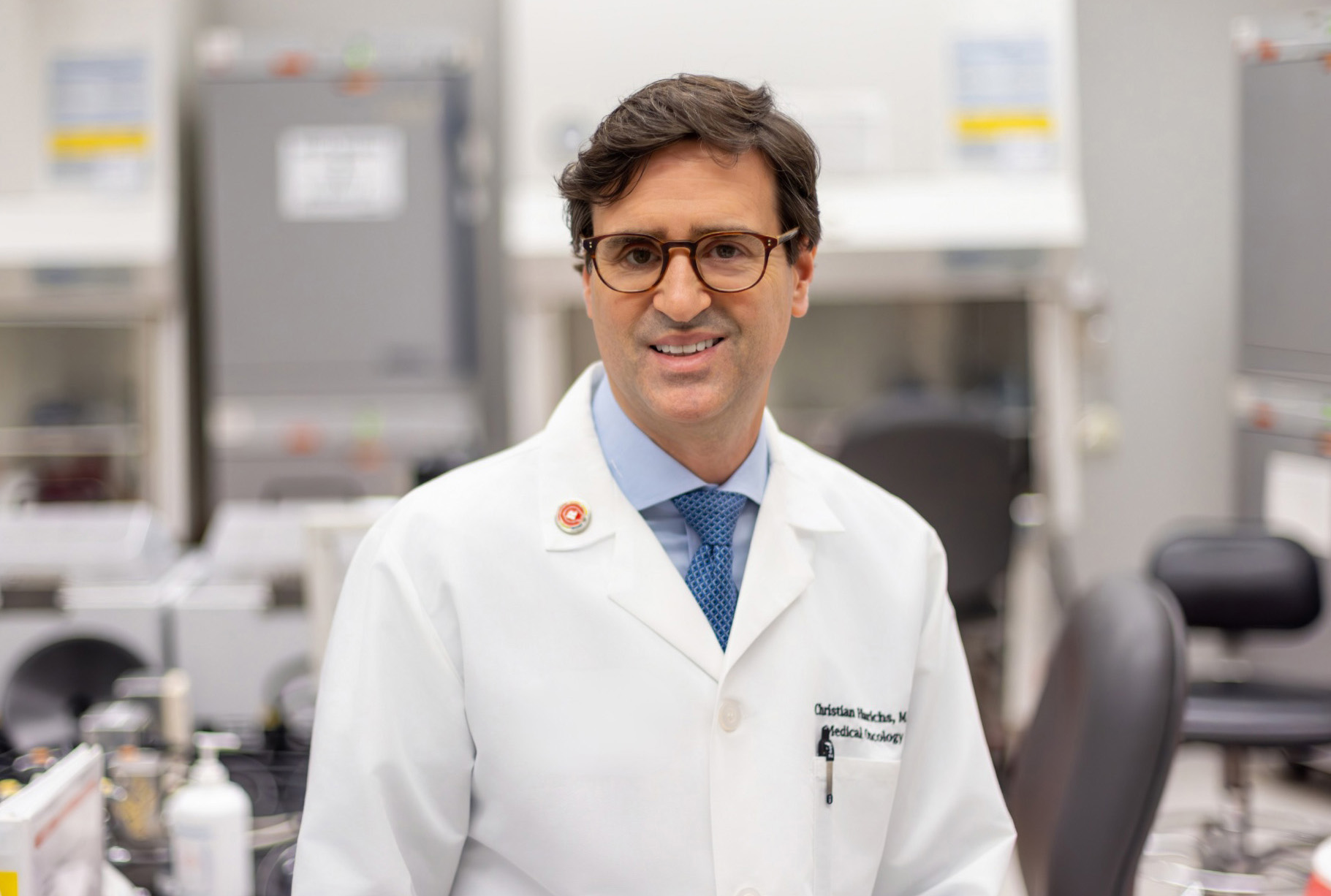
Landmark Data from Rutgers Cancer Institute and RWJBarnabas Health Show Long-term Complete Responses of T Cell Therapies for HPV-Related Cancers
Researchers from Rutgers Cancer Institute and RWJBarnabas Health, along with colleagues from the National Cancer Institute, a center of the National Institutes of Health, announced findings from two HPV-related studies that highlight the potential of novel T cell therapies to achieve long-lasting remission and complete tumor regression in patients with advanced epithelial cancers. Learn more.
What is Immunotherapy in Cancer Treatment?
Steven K. Libutti, MD, FACS, discusses immunotherapy in cancer treatment.
What Does a Cancer Metabolism Study Cover?
Steven K. Libutti, MD, FACS, discusses the Rutgers Cancer Institute initiative studying cancer metabolism.