Our experts who specialize in leukemia, lymphoma, and other hematologic malignancies combine their expertise in clinical care and translational research to provide you with comprehensive treatment plans in a compassionate environment. Rutgers Cancer Institute, together with RWJBarnabas Health, offers personalized, multidisciplinary care all under one roof at the Jack & Sheryl Morris Cancer Center.
Rutgers Cancer Institute and Robert Wood Johnson University Hospital, an RWJBarnabas Health facility, earned several High Performing ratings in the 2026-2027 U.S. News & World Report Best Hospitals survey, including for leukemia, lymphoma & myeloma.
To request an appointment, call 844-CANCERNJ. | Find Leukemia/Lymphoma/Hematologic Malignancies Clinical Trials.
What are Hematologic Malignancies?

Hematologic malignancies, also known as blood cancers, are cancers that originate in the blood-forming tissues, including the bone marrow and lymphatic system. Risk factors depend on the type of hematologic disorder, but may include genetic predisposition, exposure to certain chemicals, prior chemotherapy or radiation, immune system disorders, and viral infections such as Epstein-Barr virus.
With support from a multidisciplinary team, our blood cancer specialists specialize in the treatment of:
- Acute and chronic leukemia
- Non-Hodgkin lymphoma
- Hodgkin lymphoma
- Multiple myeloma
- Myelodysplasia
- Myeloproliferative diseases
- Other hematologic malignancies and benign blood disorders
Symptoms of Hematologic Cancers
Hematologic malignancy symptoms can vary significantly depending on the specific type and stage of the disease. However, many patients experience common symptoms due to the disruption of normal blood cell production and immune system function, such as:
- Fatigue
- Unexplained weight loss
- Unexplained fever or night sweats
- Easy bruising or bleeding
- Swollen lymph nodes, especially in the neck, armpits, or groin
- Shortness of breath
- Bone or joint pain
Comprehensive Diagnostic and Treatment Options
Our care team is comprised of the nation’s most experienced physicians in treating rare and complex blood cancers with various state-of-the-art therapies, many available only at NCI-designated Comprehensive Cancer Centers such as ours. In addition, we offer a wide range of oncology support services to help patients navigate their diagnosis, treatment plan, and recovery.
Additional Treatments
The Jack & Sheryl Morris Cancer Center offers a range of advanced treatment options for these unique tumors, ensuring that each patient receives the most effective, personalized care available.
- Radiation Therapy
- Chemotherapy
- Immunotherapy
- Advanced treatment options and emerging therapies through clinical trials
- Support for patients living with cancer through the Survivorship Program
Meet Our Team

- Deputy Director Clinical Services and Chief Physician Officer, Rutgers Cancer Institute and Jack & Sheryl Morris Cancer Center
- Senior Vice President and Chief Medical Officer, RWJBarnabas Health Medical Group Oncology Services
- Associate Vice Chancellor for Clinical Innovation and Data Analytics, Rutgers Biomedical and Health Sciences

- Chief, Division of Blood Disorders, Rutgers Cancer Institute/Jack & Sheryl Morris Cancer Center
- Professor of Medicine, Rutgers Robert Wood Johnson Medical School

- Hematologist/Oncologist
- Assistant Professor, Rutgers Robert Wood Johnson Medical School

- Hematologist/Oncologist
- Assistant Professor of Medicine, Rutgers Robert Wood Johnson Medical School

- Director of Cell Therapy and Bone Marrow Transplantation, Southern Region, RWJBarnabas Health
- Director of Clinical Research, Stem Cell Transplantation at Rutgers Cancer Institute
- Clinical Professor of Medicine, Rutgers Robert Wood Johnson Medical School

- System Leader for Leukemia, RWJBarnabas Health
- Deputy Director of Phase I Therapeutics for Hematologic Malignancies
- Co-Medical Director of the Office of Human Research Services, Rutgers Cancer Institute

- Hematologist/Oncologist
- Assistant Professor of Medicine, Rutgers Robert Wood Johnson Medical School
- Director, Lymphoma Program
- System Head, Lymphoma
- Assistant Professor of Medicine, Rutgers Robert Wood Johnson Medical School

- Director of Myeloid Malignancies
- Professor of Medicine, Rutgers Robert Wood Johnson Medical School

- Hematologist/Oncologist
- Clinical Director of Multiple Myeloma, Rutgers Cancer Institute
- Assistant Professor of Medicine, Rutgers Robert Wood Johnson Medical School

- Hematologist/Oncologist
- Assistant Professor of Medicine, Rutgers Robert Wood Johnson Medical School

- Medical Director, Laurie Proton Therapy Center
- Radiation Oncologist
- Professor of Radiation Oncology, Rutgers Robert Wood Johnson Medical School
- Advanced Practice Provider
- Advanced Practice Nurse, Proceduralists
- Advanced Practice Provider
- Advanced Practice Nurse
- Physician Assistant

- Advanced Practice Provider
- Per Diem

- Advanced Practice Nurse
- Advanced Practice Provider
- Advanced Practice Provider
- Per Diem
- Advanced Practice Nurse

- Advanced Practice Provider
- Advanced Practice Provider
- Physician Assistant
- Advanced Practice Provider
- Inpatient

- Advanced Practice Provider
- Advanced Practice Provider
- Per Diem
- Advanced Practice Provider
Related Articles and Press

Research Alert: Managing Blood Cancers During Pregnancy – Expert Guidance
Experts from RWJBarnabas Health and Rutgers Cancer Institute recently published a review examining the challenges of diagnosing and treating leukemia and lymphoma during pregnancy. Learn more.
RESULTS: Study on Advanced-Stage Hodgkin Lymphoma Published in the New England Journal of Medicine
Groundbreaking results from a clinical trial evaluating a novel treatment for advanced-stage classic Hodgkin lymphoma were published today in the New England Journal of Medicine (NEJM).
Blood Cancers: Understanding Types, Symptoms, and Advances in Treatment
According to the Leukemia and Lymphoma Society, approximately every 3 minutes, one person in the United States is diagnosed with a blood cancer, including leukemia, lymphoma or myeloma.
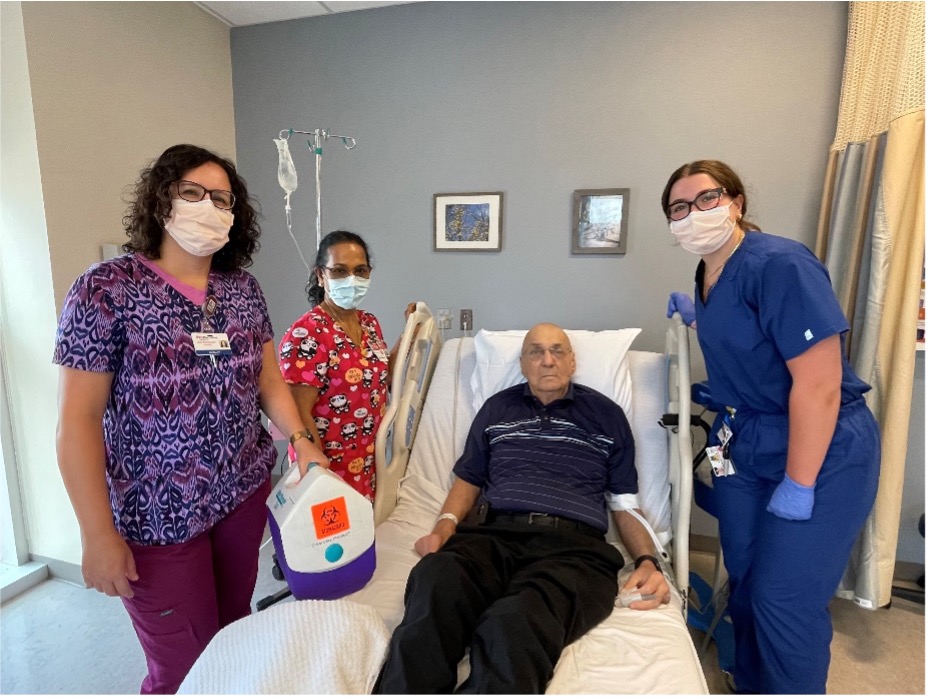
Rutgers Cancer Institute and RWJBarnabas Health Treats 200th CAR T-Cell Therapy Patient, Pioneering Cancer Treatment in New Jersey
Rutgers Cancer Institute, the state’s only National Cancer Institute-designated Comprehensive Cancer Center together with RWJBarnabas Health, has treated its 200th patient with CAR T-cell therapy, a type of immunotherapy that uses a patient’s own immune cells to fight cancer.
Hematology/Oncology Care at Rutgers Cancer Institute
Research with Dr. Matthew Matasar
Hematology/Oncology Research at Rutgers Cancer Institute
Scientific Advances in Hematology/Oncology at Rutgers Cancer Institute
Leukemia and Transplant Team Collaboration
Frequently Asked Questions (FAQs)
What are the most common types of blood cancer?
The term “blood cancer” usually is referring to cancers that start in the cells that make up our blood – especially our immune system. The lymphomas – both Hodgkin and the non-Hodgkin lymphomas, the myeloid leukemias – including both acute myeloid leukemia (AML) and chronic myelogenous leukemia (CML) – and multiple myeloma are three main categories. But other cancers, including myelodysplastic syndrome (MDS) and myeloproliferative neoplasia (MPN) are also types of blood cancer.
What is the staging system for blood cancer?
Each type of cancer has its own staging system, or system to describe where it is in the body or how risky an individual’s illness may be. Unlike cancers that start in a specific organ in the body, like breast cancer or prostate cancer, where in the body a patient’s blood cancer is found will often be only one minor part of a holistic assessment of a patient’s disease.
Equally or more important is how much cancer is found, how quickly it is growing, what its precise biology tells us, how it is affecting the body, and how it is making you feel.
Are hematologic cancers hereditary?
While having a family history of cancer can increase risk of developing certain blood cancers, and while certain genetic factors may be hereditary, the majority of patients who are diagnosed with blood cancers will not have a hereditary cause, and children or family members will not need to be screened or tested for blood cancer. We always encourage an open discussion around hereditary risks with your care team to get personalized recommendations.
How is blood cancer treated?
We have a number of tools available in the treatment of patients diagnosed with a blood cancer. There are literally over a hundred different types of blood cancer, and treatments are tailored to each illness, and each patient facing that illness. We have traditional chemotherapy medicines that attack rapidly dividing cells, immunotherapies that can enable our immune systems to attack our cancers, and targeted therapies that can block signals within cancer cells that they rely upon to survive. We have radiation therapy that can kill cancer cells specifically where the beam is directed. And we have stem cell transplantation, which can either potentiate high-dose therapy to overwhelm cancer’s ability to resist treatment or even replace a patient’s immune system with a new one that can attack blood cancer cells.